South African Electricity Pricing Policy 2026: How to Submit Public Comments Before 27 September
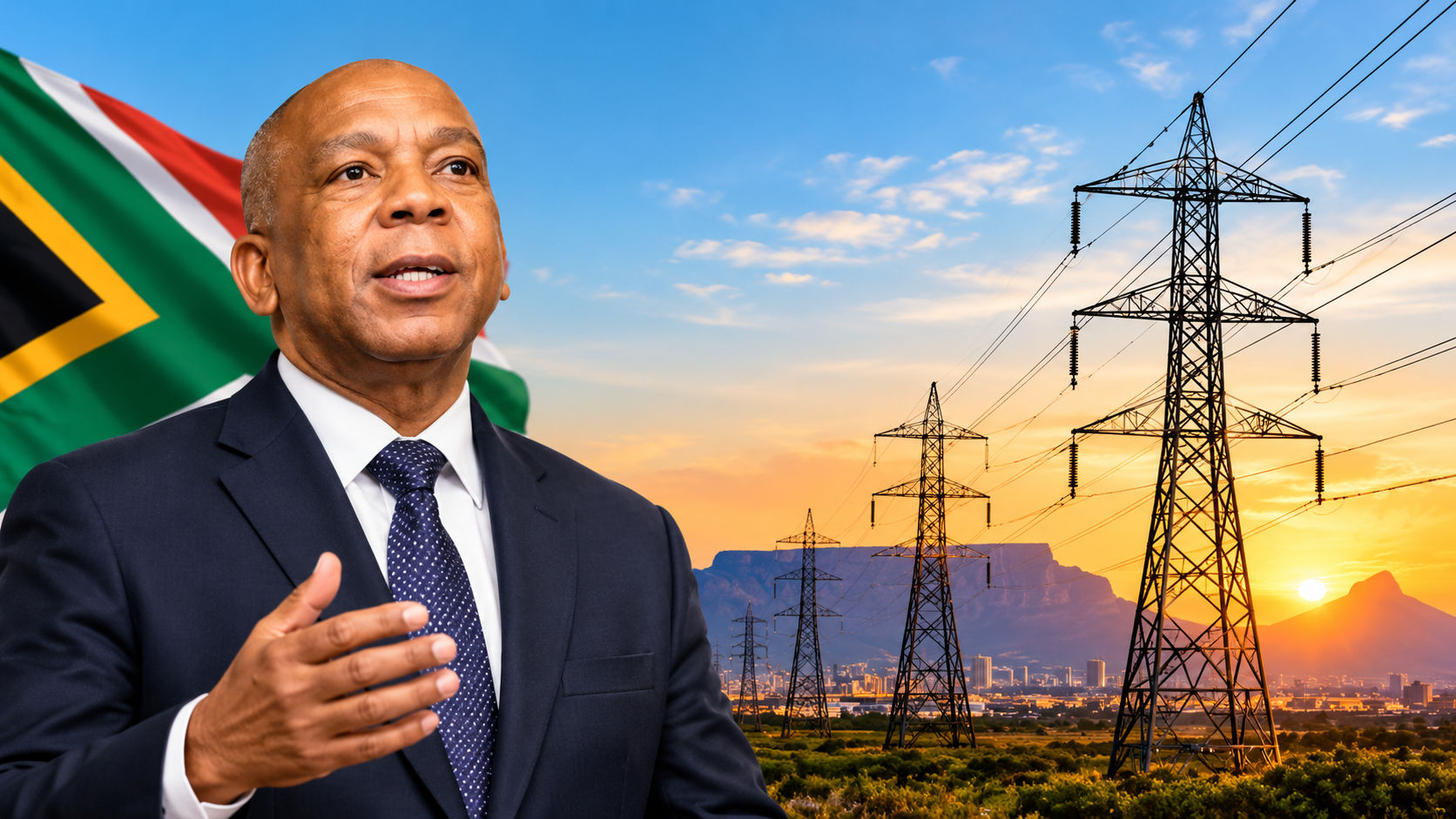
Your electricity bill is about to be rewritten, and for the first time in nearly two decades, ordinary South Africans get a real say before the rules are locked in. The Department of Electricity and Energy has opened public comments on the Revised Electricity Pricing Policy, and the window closes on 27 September 2026. If you have ever looked at your Eskom or municipal bill and wondered why it keeps climbing faster than your salary, this is the one chance to put that frustration on official record before the policy is finalised.
This article breaks down everything you need to know: who can comment, what the policy actually changes, what documents and details your submission needs, and the exact steps to send your comment before the deadline.
About the Department of Electricity and Energy
The Department of Electricity and Energy (DEE) is the national government department responsible for setting the overarching policy framework that governs how electricity is priced and how tariffs are designed across South Africa. Unlike the National Energy Regulator of South Africa (NERSA), which approves individual tariff applications from Eskom and municipalities, the DEE sets the broader rules within which NERSA must operate.
The current Electricity Pricing Policy has been in place since 2008. At that time, Eskom was essentially the only player in the market. Today, the landscape looks completely different. South Africa now has private power generators, widespread rooftop solar installations, independent electricity traders, wheeling arrangements that let consumers buy power from a supplier of their choice while using Eskom's wires, and a growing number of households and businesses that generate some or all of their own electricity. The 2008 policy was never built for this kind of market, which is why the DEE has drafted a full revision and opened it for public comment before Cabinet finalises it.
Who Can Submit Public Comments
This consultation process is open to every electricity consumer in South Africa, not just large industry players, energy companies, or political parties. The department has been explicit that this should not be a conversation limited to Eskom, NERSA, government departments, and big business.
You are eligible to submit a comment if you fall into any of the following groups:
- Residential electricity consumers and households paying Eskom or municipal electricity bills
- Small, medium, and large business owners affected by commercial electricity tariffs
- Owners of rooftop solar or other embedded generation systems
- Civil society organisations, advocacy groups, and trade unions
- Energy sector professionals, researchers, and academics
- Any South African concerned about the future cost and structure of electricity pricing
There is no registration process, membership requirement, or fee involved. Any member of the public with an interest in how electricity is priced can take part.
Requirements for a Valid Comment Submission
While the process is open to everyone, the department does expect submissions to meet a few basic requirements so that each comment can be properly considered and, if necessary, followed up on.
- Comments must be submitted in writing, either by email, post, or hand delivery
- The name and contact details of the person or organisation making the comment must be included
- Submissions must reach the department by 27 September 2026, as late submissions are unlikely to be considered in the final policy
- Comments should relate directly to the content of the Revised Electricity Pricing Policy rather than unrelated Eskom or municipal service complaints
- Organisations submitting on behalf of members should clearly state who they represent
Submissions that leave out contact details or arrive after the closing date risk being excluded from the department's review process entirely, so it is worth double checking these basics before you send anything through.
What This Policy Means for Your Electricity Bill
This is the part that affects your pocket directly. Electricity tariffs in South Africa have risen dramatically over the past decade, with increases reported to be as high as 165 percent cumulatively, often outpacing both inflation and average household income growth. Much of this increase has been attributed to Eskom's operational inefficiencies, legacy debt, and past financial mismanagement being passed on to paying consumers through tariff hikes.
The revised policy is meant to address exactly this problem by rewriting the principles that determine how prices are set in the first place. Some of the specific issues consumer groups and political parties have pushed to be addressed through this comment period include:
- Whether new fixed and capacity charges could become a way of recovering Eskom's cost base from consumers who are trying to reduce their usage or generate their own power
- How rooftop solar and embedded generation customers should be treated under the new pricing structure, so they are not penalised for using less grid electricity
- Whether legacy costs and old financial shortfalls should continue to be built into future tariffs, or phased out on a transparent timeline
- Whether NERSA has the regulatory capacity to properly oversee a much more complex, multi-supplier electricity market
- Calls for a full affordability and bill-impact study before any new pricing structure is adopted
If the final policy gets these details wrong, the effects will be felt on every electricity bill for years to come. That is precisely why this comment period matters so much, and why organisations like the DA, AfriForum, OUTA, COSATU, the SACP, and the EFF have all urged the public to take part.
Key Issues Covered in the Revised Pricing Policy
The Revised Electricity Pricing Policy is described by the department as the overarching framework for how electricity prices and tariffs are determined, regulated, and implemented going forward. Broadly, it is expected to cover:
- The principles guiding how Eskom and municipal tariffs are structured
- How the growing role of private generation, solar, and electricity trading is accommodated within the pricing system
- The treatment of fixed charges versus usage based charges for different categories of consumers
- Mechanisms to keep tariff setting transparent and predictable rather than reactive
- The regulatory role NERSA plays in implementing the policy once it is finalised
Because this is a policy document rather than a single tariff application, its impact will be felt indirectly through every future NERSA tariff determination, rather than through one immediate price change. That is also why public comment at this stage carries more long term weight than commenting on a single year's tariff hike.
What to Include in Your Submission
When drafting your comment, keep it clear, specific, and easy for department officials to act on. A strong submission generally includes:
- Your full name and contact details, or your organisation's name if submitting on behalf of a group
- A clear statement of which section or principle of the policy you are commenting on
- Your specific concern, objection, or suggestion, explained in plain language
- Any supporting evidence, data, or examples relevant to your point, such as how tariff increases have affected your household or business
- A short, direct conclusion summarising what you would like to see changed or retained in the final policy
You do not need to be an energy expert or submit a lengthy technical document. A concise, well reasoned comment focused on how the policy affects consumers like you carries genuine weight in a public participation process like this one.
Why Your Comment Matters
Public participation processes like this one exist because policy decisions that affect millions of households are, by law, required to consider public input before being finalised. Historically, many South Africans have felt that electricity pricing decisions are made behind closed doors and only communicated once the bill has already changed. This consultation is different because it happens before the policy is locked in.
Submitting a comment gives you a documented, official voice in shaping principles that will influence electricity pricing for years, potentially decades, to come, just as the 2008 policy shaped pricing for nearly twenty years. Even a short, focused submission adds to the volume and diversity of public input the department must consider, and collectively these submissions have historically influenced how final policies are worded and implemented.
How to Submit Your Comment: Step by Step
- Read through the Revised Electricity Pricing Policy document published by the Department of Electricity and Energy so your comment addresses specific sections or principles.
- Draft your comment in writing, covering your concern, reasoning, and any supporting detail.
- Include your full name and contact details, or your organisation's details if applicable.
- Choose your submission method: email, post, or hand delivery, based on what is most convenient for you.
- Send your submission to the Director-General, Department of Electricity and Energy, for the attention of Mr Joseph Maraba, using the official contact details below.
- Submit well before 27 September 2026 to avoid last minute delivery or email issues.
- Keep a copy of your submission and proof of sending for your own records.
Official Contact
Comments must reach the department by 27 September 2026, through any of the following channels:
- Email: EPP.Comments@dee.gov.za
- Hand delivery: Matimba House, 192 Visagie Street, corner Paul Kruger Street, Pretoria
- Post: Private Bag X96, Pretoria, 0001
All submissions should be addressed to the Director-General, Department of Electricity and Energy, for the attention of Mr Joseph Maraba, and must include the name and contact details of the person or organisation making the comment.
Expert Tips
- Submit early rather than waiting until the final days before 27 September 2026, since postal and hand delivery submissions can take time to process
- Keep your comment focused on one or two issues rather than trying to cover every aspect of the policy, as focused submissions are generally easier for officials to review and act on
- If you run a small business affected by fixed charges or you use rooftop solar, explain your real world experience with specific numbers where possible, as concrete examples tend to carry more weight than general complaints
- If submitting by email, request a read receipt or follow up to confirm your comment was received, especially if sending close to the deadline
- If you are part of a community group, resident's association, or industry body, consider submitting a joint comment in addition to your individual one, since organisational submissions are often given close attention during policy review
Related Energy and Policy Developments
Beyond this specific pricing policy comment period, several related electricity developments have been unfolding in South Africa through 2026, including NERSA's separate market inquiry into fixed and generation capacity charges levied by electricity distributors, ongoing municipal tariff review processes that run annually, and ministerial statements on the multi year price determination process affecting Eskom's revenue for the 2025/26 to 2027/28 financial years. Consumers who want a complete picture of where electricity pricing is headed may find it useful to follow these related processes alongside this policy comment period.
Frequently Asked Questions
Who can submit a comment on the Revised Electricity Pricing Policy? Any South African electricity consumer, whether a household, business owner, solar user, civil society organisation, or individual with an interest in electricity pricing, can submit a comment. No special registration or qualification is required.
What is the deadline for submitting comments? Submissions must reach the Department of Electricity and Energy by 27 September 2026.
Is there a fee to submit a comment? No. Submitting a public comment is completely free and open to all members of the public.
How do I submit my comment? You can submit by email to EPP.Comments@dee.gov.za, by hand delivery to Matimba House in Pretoria, or by post to Private Bag X96, Pretoria, 0001.
Do I need to be an energy expert to submit a comment? No. A clear, well explained comment based on your own experience as an electricity consumer is valid and valuable, even without technical energy expertise.
Will I receive a response to my individual comment? The department reviews all submissions as part of finalising the policy, but individual written responses to each commenter are not guaranteed. The final policy document will reflect how public input was considered overall.
What happens after the comment period closes? After 27 September 2026, the Department of Electricity and Energy will review all submissions received and use them to help finalise the Revised Electricity Pricing Policy, which will then guide future NERSA tariff decisions.
Disclaimer
This article is based on publicly available information from official government sources and verified news reports as of September 2026. Details such as deadlines, contact information, and submission requirements can be updated by the Department of Electricity and Energy at any time. Readers are strongly encouraged to verify the latest details directly through official Department of Electricity and Energy communications before submitting their comments. This article is intended for informational purposes and does not constitute legal or financial advice.
Trust Box
- ✅ Published by: CareerScope Editorial Team
- ✅ Last Updated: 16 September 2026
- ✅ Information Source: Official Career Portal & Organisation Announcement
- ✅ Status: Verified & Reviewed for Accuracy
Comments (0)
No comments yet. Be the first to join the conversation.